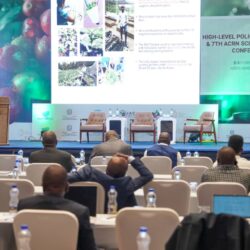


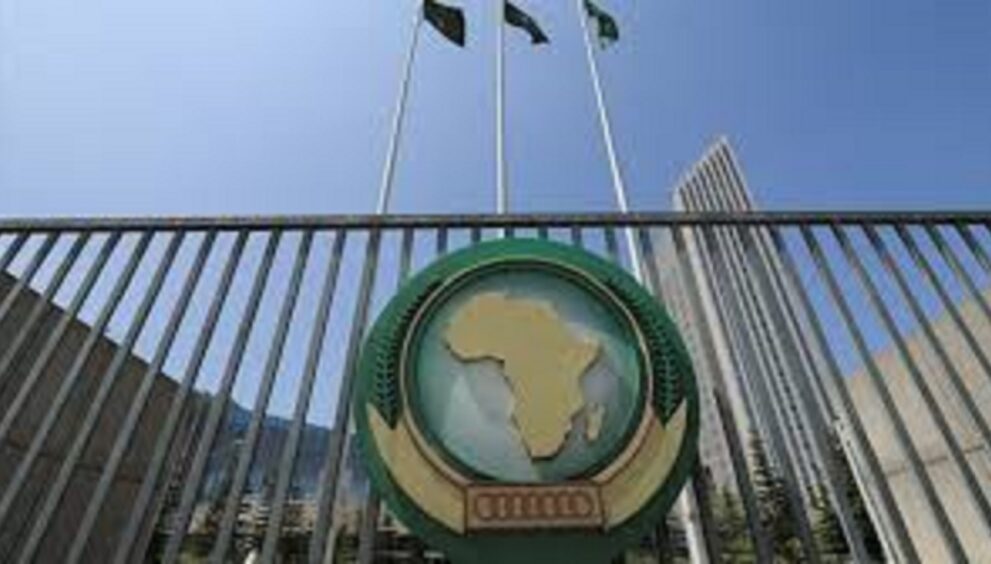
ADDIS ABABA – The African Union (AU) has signaled a strategic shift in its development agenda, appointing Burundian President Évariste Ndayishimiye as the 2026 Chairperson during its 39th Ordinary Session. The summit, which concluded in the Ethiopian capital this week, moved beyond traditional security discourses to position water and sanitation as the foundational economic pillars for the next decade of the “Agenda 2063” blueprint. Under the theme of assuring sustainable water availability, the Assembly aims to bridge a staggering US$30 billion annual investment gap in water infrastructure, reframing the resource not merely as a social service but as a strategic industrial asset.
The transition of power from Angolan President João Lourenço to President Ndayishimiye comes at a time when the continent is navigating a complex landscape of geopolitical polarization and institutional fragility. Incoming Chairperson Ndayishimiye emphasized that his tenure would focus on tangible results, particularly in translating continental policies into regional integration and peace. The 2026 Bureau was further solidified with Ghana and Tanzania assuming the First and Second Vice Chair positions, respectively, ensuring a geographically diverse leadership structure to oversee the implementation of the newly launched Africa Water Vision 2063.
“Africa has immense potential, and our leadership must ensure that integration, peace, and sustainable development are not just goals on paper but realities for our citizens,” stated President Évariste Ndayishimiye during his inaugural address as Chairperson.
Amid these development goals, the Assembly maintained its hardline stance on regional stability, reaffirming a zero-tolerance policy toward unconstitutional changes of government. Leaders expressed deep concern over persistent conflicts in Sudan, the Sahel, and the eastern Democratic Republic of the Congo, warning that the continent’s economic aspirations are inextricably linked to “silencing the guns.” The AU Commission also used the platform to advocate for greater financial self-reliance, urging Member States to accelerate domestic resource mobilization as external funding levels face continued volatility.
On the global stage, the AU is positioning itself as a more assertive player in multilateral reform. The Assembly welcomed the outcomes of the 2025 G20 Summit in Johannesburg and reiterated its demand for equitable representation within the UN Security Council. By designating water as the 2026 theme, the AU also intends to shape the global agenda ahead of the 2026 UN Water Conference, ensuring that African priorities—ranging from debt restructuring to climate adaptation—remain at the center of international economic governance.